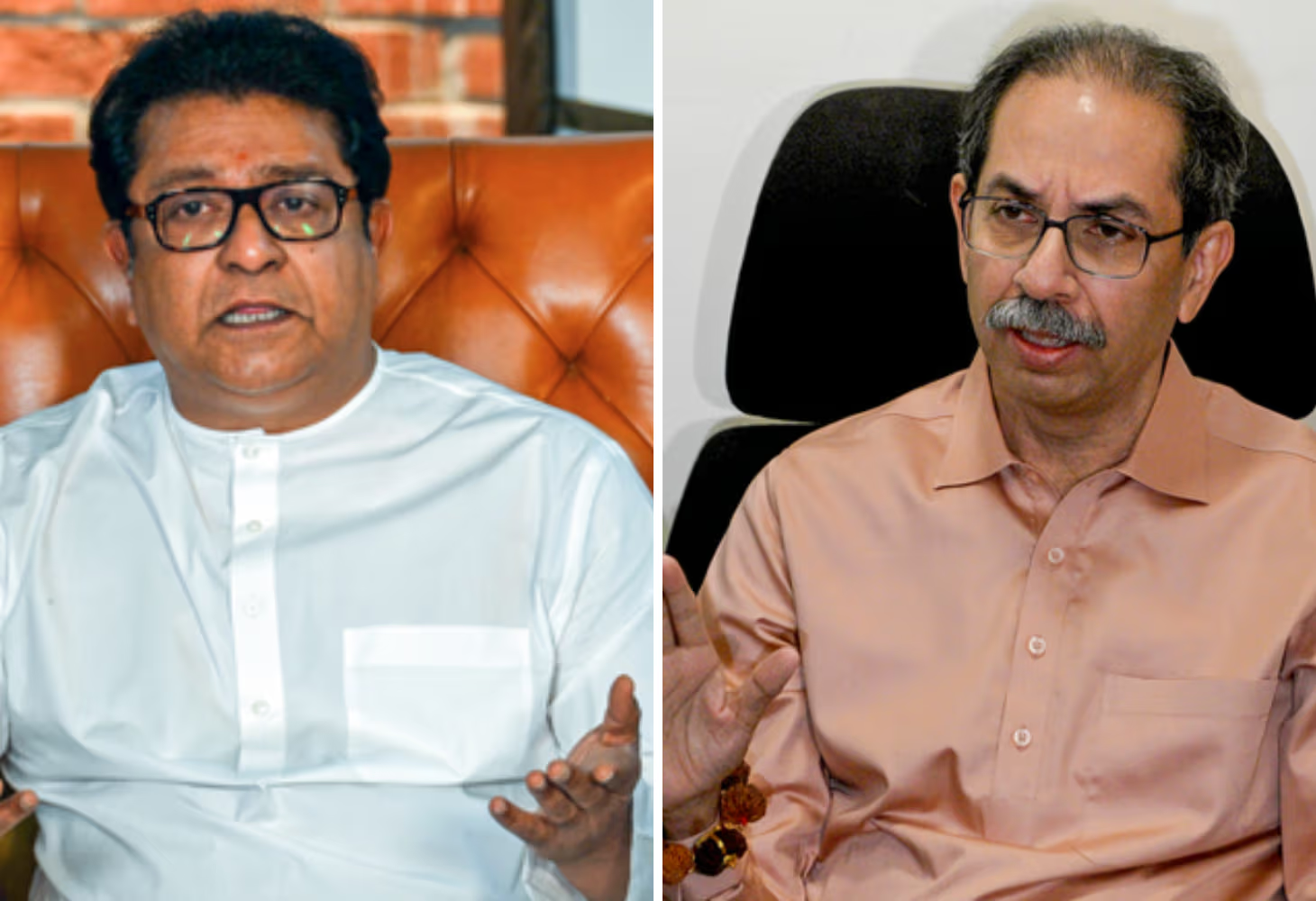
Politics in Maharashtra is heating up ahead of the upcoming civic elections, including the important Brihanmumbai Municipal Corporation (BMC) polls. The Bharatiya Janata Party (BJP) has strongly criticised the decision of Shiv Sena (UBT) chief Uddhav Thackeray and Maharashtra Navnirman Sena (MNS) leader Raj Thackeray to come together for these elections.
At a press conference, BJP leaders said the reunion of the Thackeray cousins was not based on ideology or public interest. Instead, they claimed it was driven by fear of losing political ground. The BJP described the alliance as a coming together of “parivaar vaadi forces” who were worried about their shrinking influence in Mumbai and other urban areas.
According to the BJP, the cousins decided to unite because they sensed that voters in Mumbai were leaning towards what the party called a “Vikas ki sarkar”. BJP leaders said people were more interested in development, good governance, and infrastructure than in family-based politics. They also alleged that the alliance was an attempt to “save their deposits” in the civic elections, suggesting that both parties feared poor electoral performance.
The BJP further claimed that the people of Mumbai had already made up their minds and stood firmly with the NDA. Party leaders said the upcoming civic polls would be fought on issues like roads, public transport, housing, and basic services, not on emotional or family ties.
The remarks came soon after Uddhav Thackeray and Raj Thackeray officially announced their reunion, nearly 20 years after they went separate ways. Raj Thackeray left the undivided Shiv Sena in 2005 and later formed the MNS. Since then, the cousins remained politically and personally distant.
Their new alliance aims to contest municipal elections together, especially in Mumbai and other major cities in Maharashtra. The Thackerays have presented the move as an effort to protect Marathi interests and prevent the division of votes among regional parties.
However, the BJP has rejected this argument. It said the alliance was opportunistic and formed only for electoral survival. The party insisted that Mumbai voters would choose stability, development, and performance over what it called short-term political arrangements.
As civic polls draw closer, the political battle in Maharashtra is expected to become even sharper, with strong statements and counter-statements from all sides.