If you spend long hours at your desk, your joints may be at risk. According to Dr. Ashish Mittal, Orthopedic Specialist at Max Hospital, Dehradun, sitting for too long without breaks can cause stiffness, pain, and weakness in different parts of the body.
He explained that desk jobs reduce blood flow and lubrication in the joints, which makes them more prone to stiffness and long-term damage. The areas most affected are the neck, shoulders, spine, hips, knees, and wrists.
How Desk Jobs Affect Joints
One of the biggest reasons desk work harms joints is poor posture. Sitting with a slouched back, bending the neck forward, or crossing the legs for long periods increases the strain. Over time, this can cause:
- Constant neck and shoulder stiffness
- Lower back pain from prolonged sitting
- Tight hips with reduced flexibility
- Knee strain due to bad sitting positions
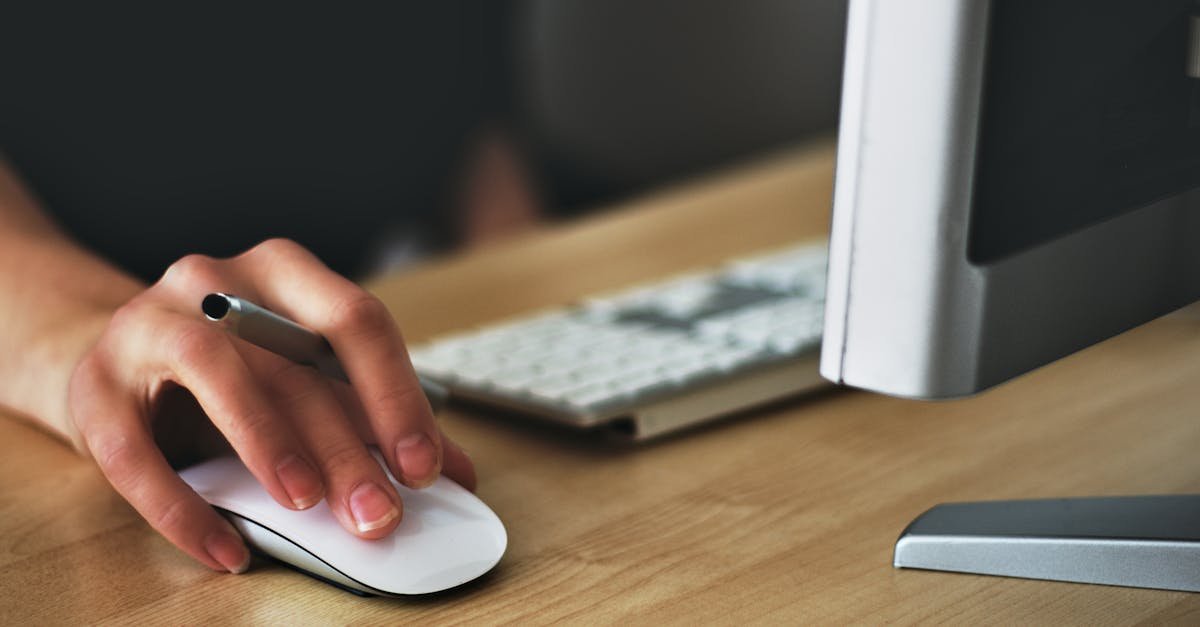
- Wrist and hand discomfort from typing or mouse use
A lack of physical activity also weakens the core muscles and hamstrings, which makes movement less stable and joints more vulnerable.
Preventive Measures for Joint Health
Dr. Mittal suggests that simple lifestyle changes can help prevent these problems. Some useful tips include:
- Doing stretching exercises regularly
- Investing in an ergonomic chair and workstation
- Taking short breaks every hour to walk or stand
- Maintaining correct posture while sitting
He emphasized that it is better to consult a doctor or physiotherapist early if discomfort starts, instead of waiting until pain becomes severe.
For patients with advanced joint damage, surgery may be necessary. Joint replacement procedures, including the latest robotic-assisted surgeries, now offer more accuracy, less pain, and faster recovery.
A Proactive Approach
Since most people today work in desk-based jobs, Dr. Mittal stresses the importance of proactive care. Regular movement, good posture, and timely medical help can protect joint health and prevent long-term complications.
Taking care of your joints is not just about avoiding pain today—it is also about ensuring a healthier, more active life in the future.